After the devastation of Katrina, many homeowners found out that their homeowners insurance did not adequately cover the damages they sustained. This week, Rich and Steve spoke with Andrew Lefebvre from
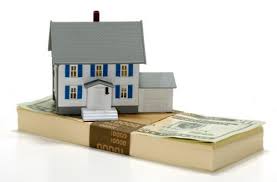
Nationwide Lefebvre Insurance Agency, to discuss some of the finer points of the homeowner's policy. While most people know that if they own a home they need to insure it, they might not know exactly what the policy covers, or more importantly, what it does not cover. Dont get caught underinsured in case of a hurricane or fire. It is a good idea to review your policy once a year to make sure you are protecting your investment Here are 5 ways to help save money and headaches with your Homeowner's policy:
- Review your policies annually: A walk-through of your coverage needs with your agent may identify other coverages that you need, as well as ways to save on premiums such as bundling auto and home insurance coverage together with one provider or requesting higher deductibles to help contain your costs.
- Identify risks you face that are not covered by your homeowners policy: Disasters such as floods and earthquakes need a separate policy or riders to protect your home if tragedy strikes.
- Understand how much coverage you have: Many homeowners believe their policy will replace their damaged or destroyed property regardless of the amount of damage incurred. Remember, it is generally not your homes market value that is covered, but rather its replacement cost. Home additions and major kitchen or bath remodeling projects can add significant value to your home, which may not be covered by your current policy. It is important to that your coverage is sufficient, based on your homes replacement cost.
- Do your homework: Get quotes from different carriers. Since rates can vary, make sure you compare coverage on an apples-to-apples basis so you can spot when a lower price really just represents less coverage. Consider higher deductibles to help reduce your premiums or ask if discounts are available for installed safety and security devices such as smoke detectors and alarms.
- Ask your friends and neighbors for references: and research the financial strength of carriers through independent third-party sources such as state insurance departments, A.M. Best, Standard & Poors, and customer satisfaction ratings at the J.D. Power
This Week's Real Estate Insight: Your home is more than likely your most valuable asset, make sure it is properly protected. While insurance agents will help determine the kind of coverage you can buy, it is ultimately your responsibility to know what the policy covers.